Healthcare.
Healthcare systems carry consequences that most industries don't.
A product that fails in a pharmacy or a radiology office affects clinical decisions, patient outcomes, and institutional trust. The stakes change what good work has to mean.
Malpaux has worked in healthcare since the beginning. Across medical AI, vaccination infrastructure, and research tooling, we've built systems that have reached millions of patients, passed EU MDR Class IIb scrutiny, and stayed in use long after the engagement ended.
We don't carry a standard healthcare playbook. We carry the judgment to know when to move fast and when to slow down — and why the answer is different in a clinical context than anywhere else.
Selected work.
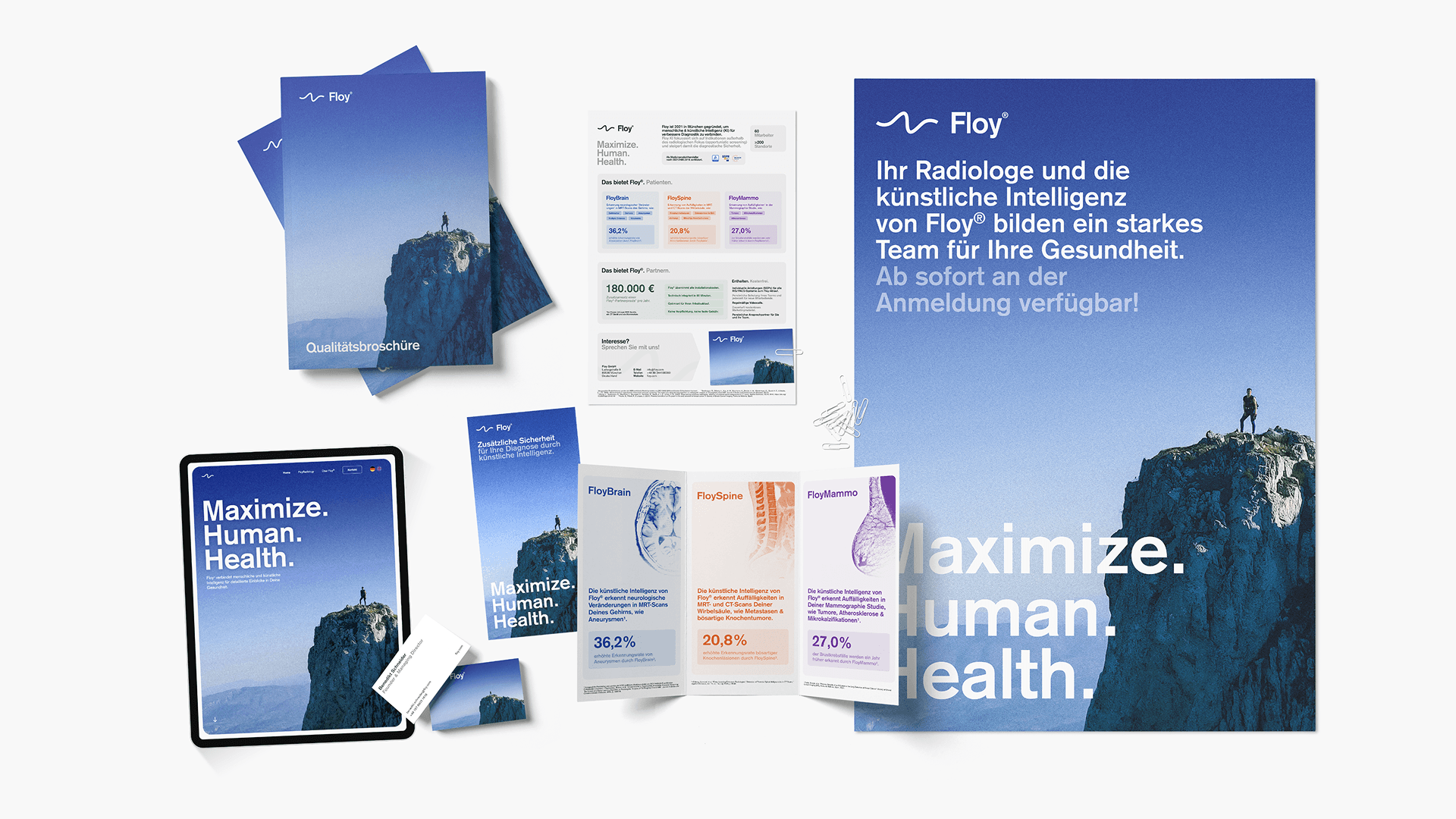
Medical AI: At Floy, we served simultaneously as Interim CTO and Interim Creative Director through a full engineering restructure, product rebuild, and rebrand while 200+ radiology offices kept scanning patients daily. We rebuilt every existing product, developed new AI models, redesigned the brand, and migrated the infrastructure to AWS, without disrupting the clinical customers depending on it. Floy subsequently closed a €9m seed extension.
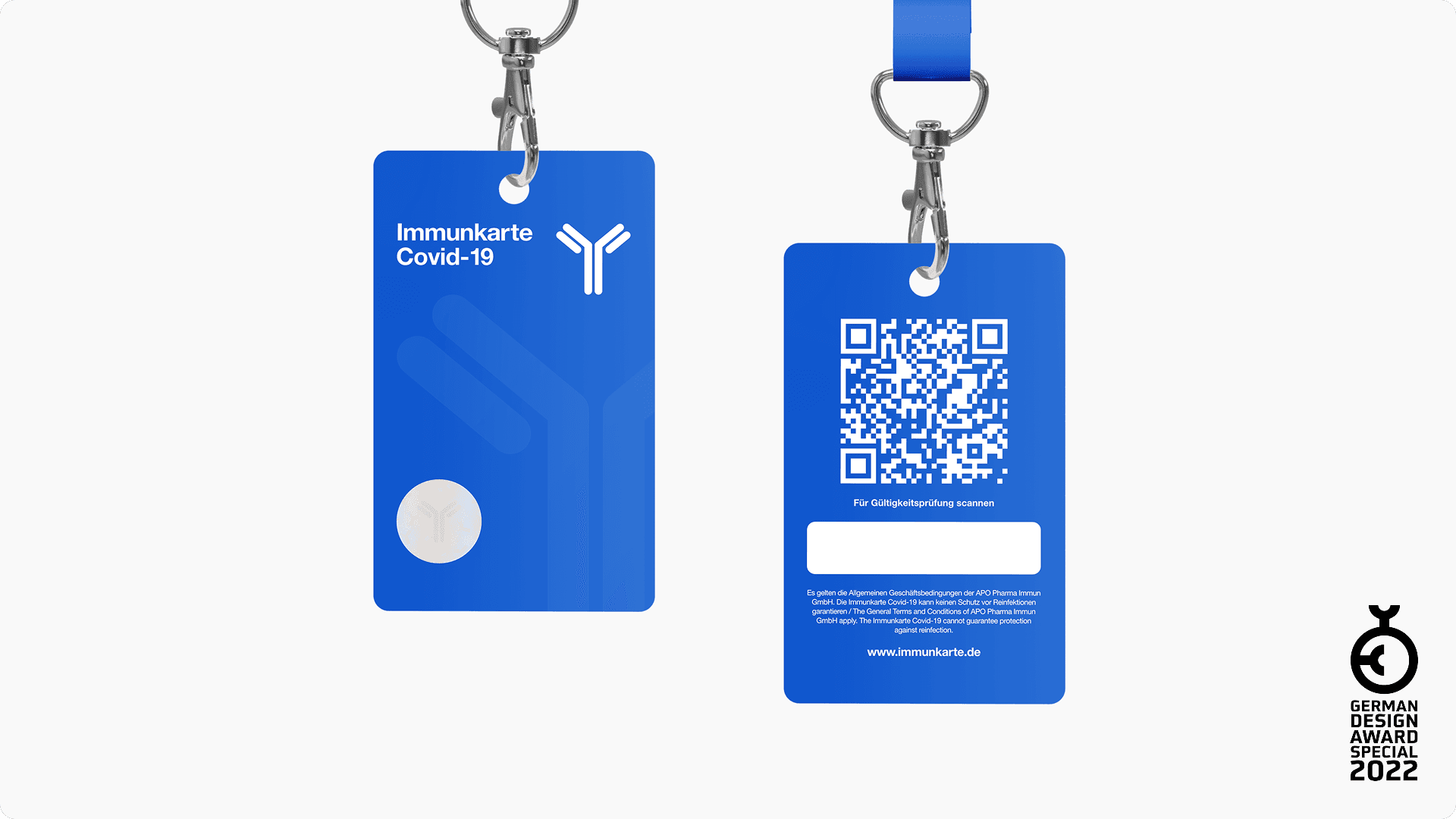
Vaccination infrastructure: We co-founded APO Pharma Immun GmbH and built Immunkarte from zero: the name, the identity, the distribution system, and the technology behind it. At peak, the system was issuing over 100,000 cards per day through 10,000+ pharmacies across Germany, generating over €1m in daily revenue with a team of eight. Over five million Immunkarten were distributed in the first year. The product earned a Special Mention at the German Design Award.

Research tooling: We built Visian, a volumetric medical image annotation platform, at the Hasso Plattner Institute. It was adopted by the Max Delbrück Center for Molecular Medicine, Charité Berlin, Mount Sinai in New York, and the AI4Health Focus Group of the World Health Organization. A key technical contribution was published at Web3D '21.
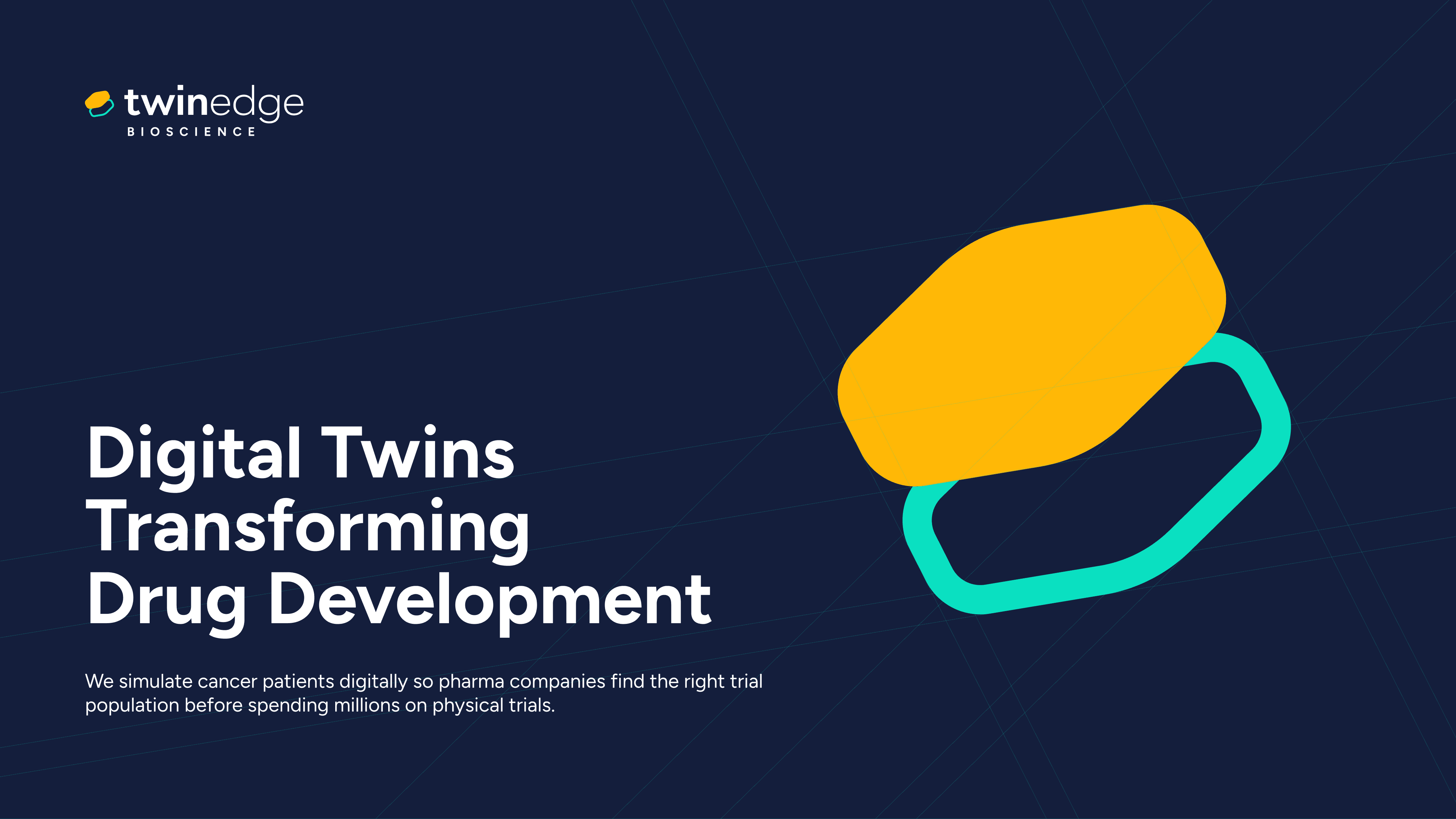
Digital twins in drug development: We invested at pre-seed in TwinEdge Bioscience and led a full pitch redesign, translating a technically rigorous but inaccessible scientific story into something a non-specialist investor could follow in two minutes without losing any of the credibility that made it worth following.
Lessons.
Regulatory environments aren't constraints to design around. They're the load-bearing walls of the product. The work at Floy operated under EU MDR Class IIb requirements throughout. Immunkarte had to be fully compliant with the EU Digital COVID Certificate framework from day one. Getting this right is an architectural problem.
Clinical users are not test subjects. Radiologists, pharmacists, and researchers have precise expectations, limited tolerance for friction, and real consequences for the errors a bad interface produces. The product has to earn their trust at the level of the brand and tool.
Distribution in healthcare is a product problem. Getting a product to the people who need it is as hard as building it. The pharmacy rollout for Immunkarte was designed alongside the product itself. Every friction point in the workflow was an engineering and design problem, not an operations problem handed off after the fact.
Trust is a system property. In medical contexts, a product is only as strong as the trust it generates, from the patient, to the clinician, to the institution. That trust has to be designed into the name, the data handling, the identity, the onboarding, and the product behaviour. It doesn't emerge from any single layer.
Work in healthcare that matters is always welcome.
If you're building something with real consequences for real patients, we'd like to hear from you.