Visian
Partner
Field
Duration
Roles
Context.
With growing dataset sizes, a key limiting factor in training AI models on medical images is human annotation capacity. Before a model can learn to detect a tumour, classify a lesion, or segment an organ, a human expert has to delineate it: painting the structure of interest onto the image, slice by slice, to show the model what it's looking for.
This is enormously time-consuming and especially challenging for 3D images, such as MRI and CT scans, which can contain hundreds of slices each.
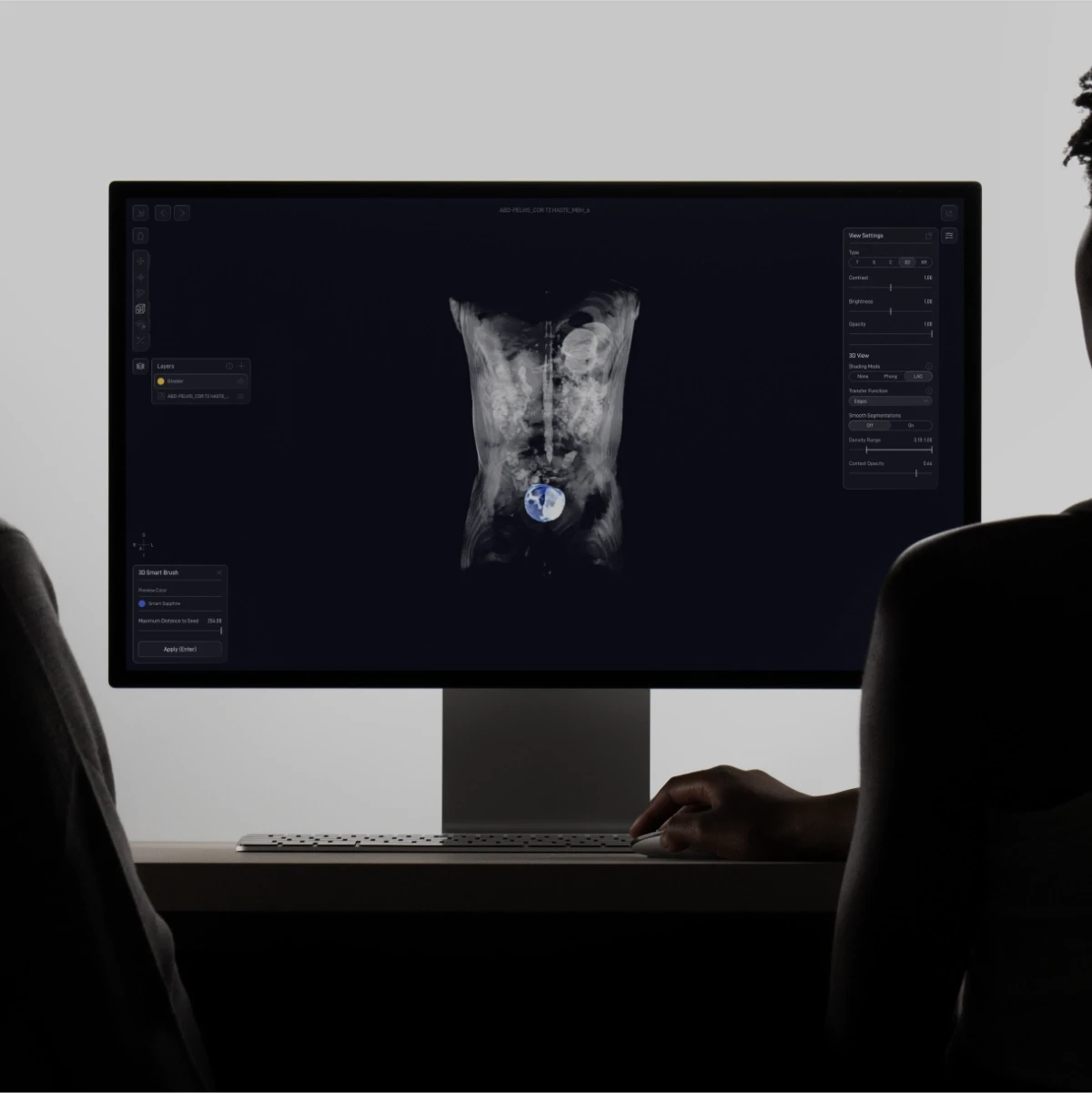
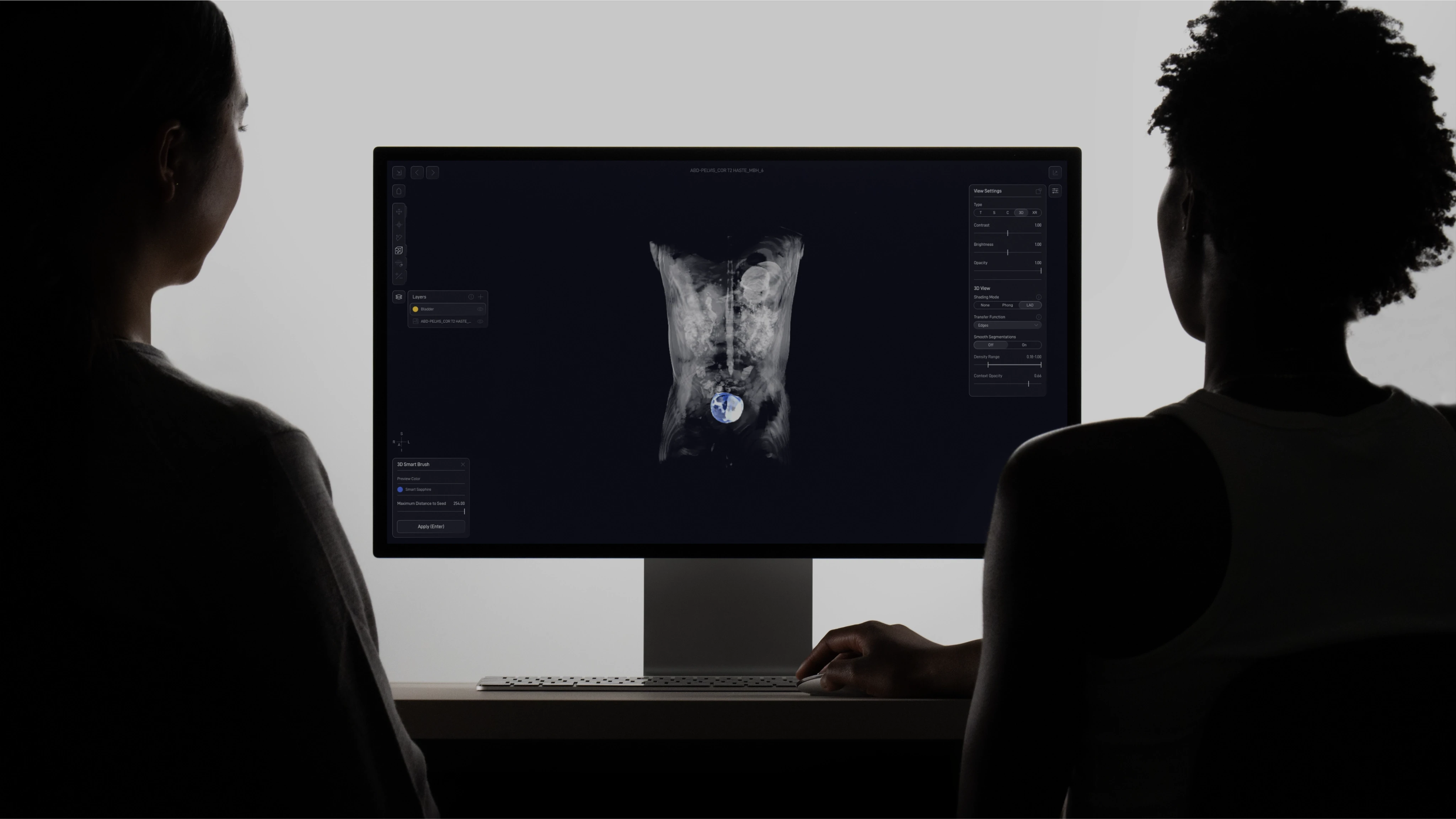
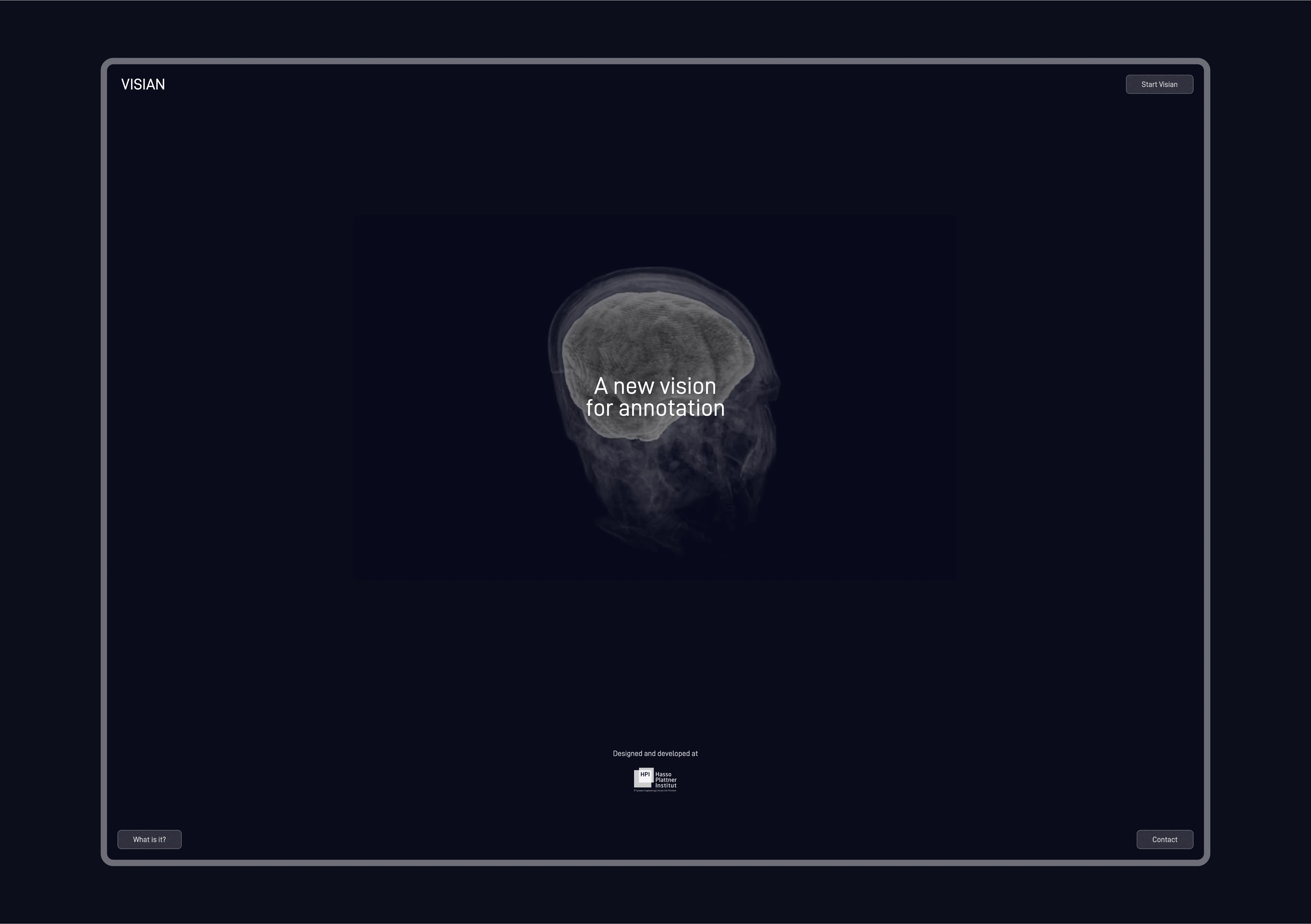
Visian was built at the Hasso Plattner Institute to make this process efficient, accessible, and even enjoyable.

Why this.
Most research tooling that supports incredible discoveries is functional but bulky, a pain to learn, and hardly enjoyable to use. With Visian, we wanted to see what happens when you give researchers something that is beautiful, streamlined, and comes naturally to medical experts without a technical background.
Problem.
The tools available to medical researchers for annotating volumetric imaging data were poorly suited to the task. They were slow, unintuitive, and had a steep learning curve for radiological researchers. Annotation was a manual, time-intensive process that required significant expertise to perform consistently, which meant that the size and quality of training datasets were constrained not by the availability of imaging data, but by the capacity of the humans labelling it.
The problem was compounded by the nature of 3D data itself. Working across hundreds of slices, often without the ability to perceive and interact with the volume as a whole, made it easy to miss context, introduce inconsistencies, and lose time navigating between views.
A purpose-built tool for volumetric annotation, one that combined an intuitive interface with technically sophisticated rendering and smart assistance, could meaningfully accelerate the speed and accuracy with which researchers build the datasets that medical AI depends on.
Constraints and complexity.
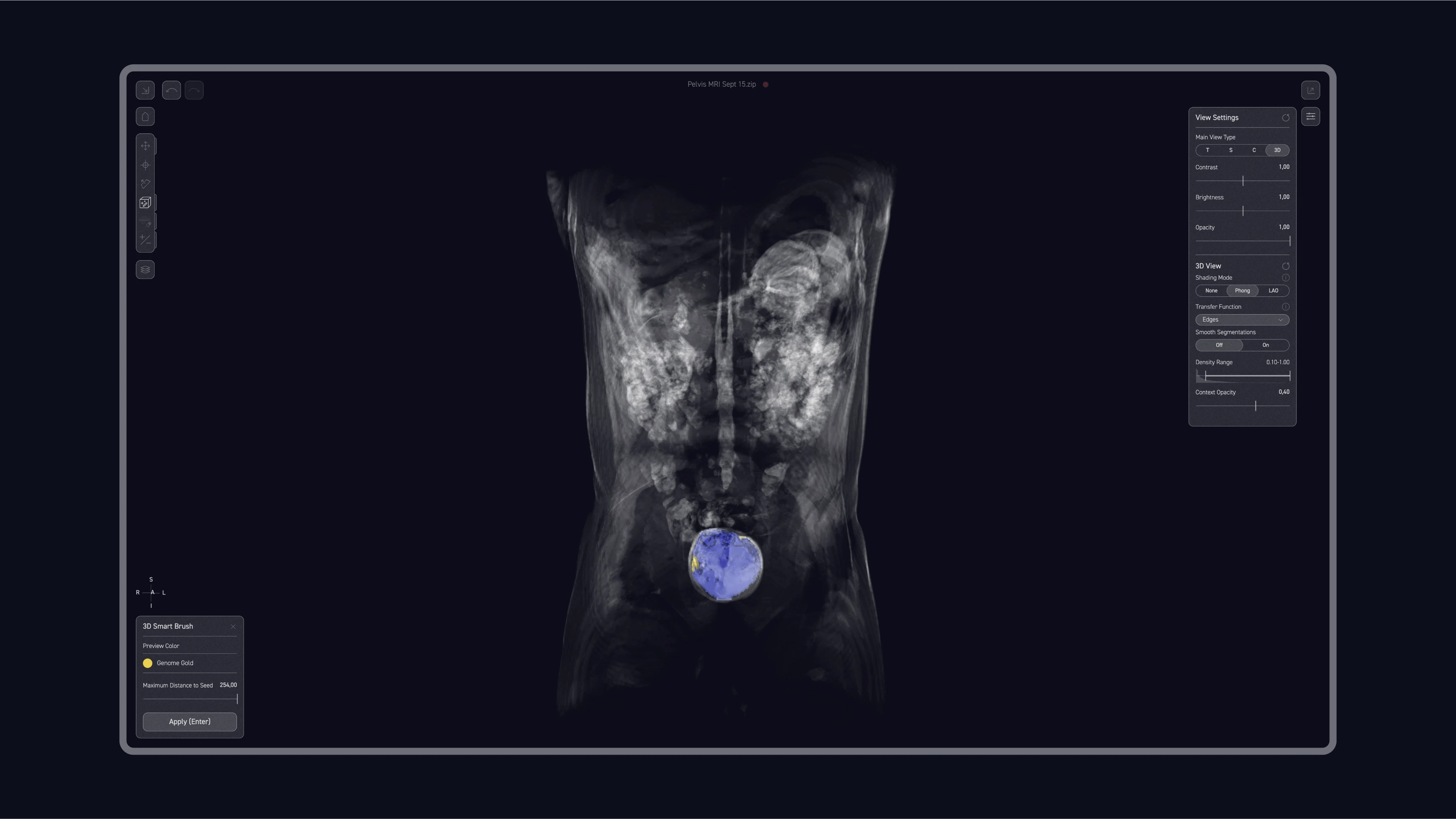
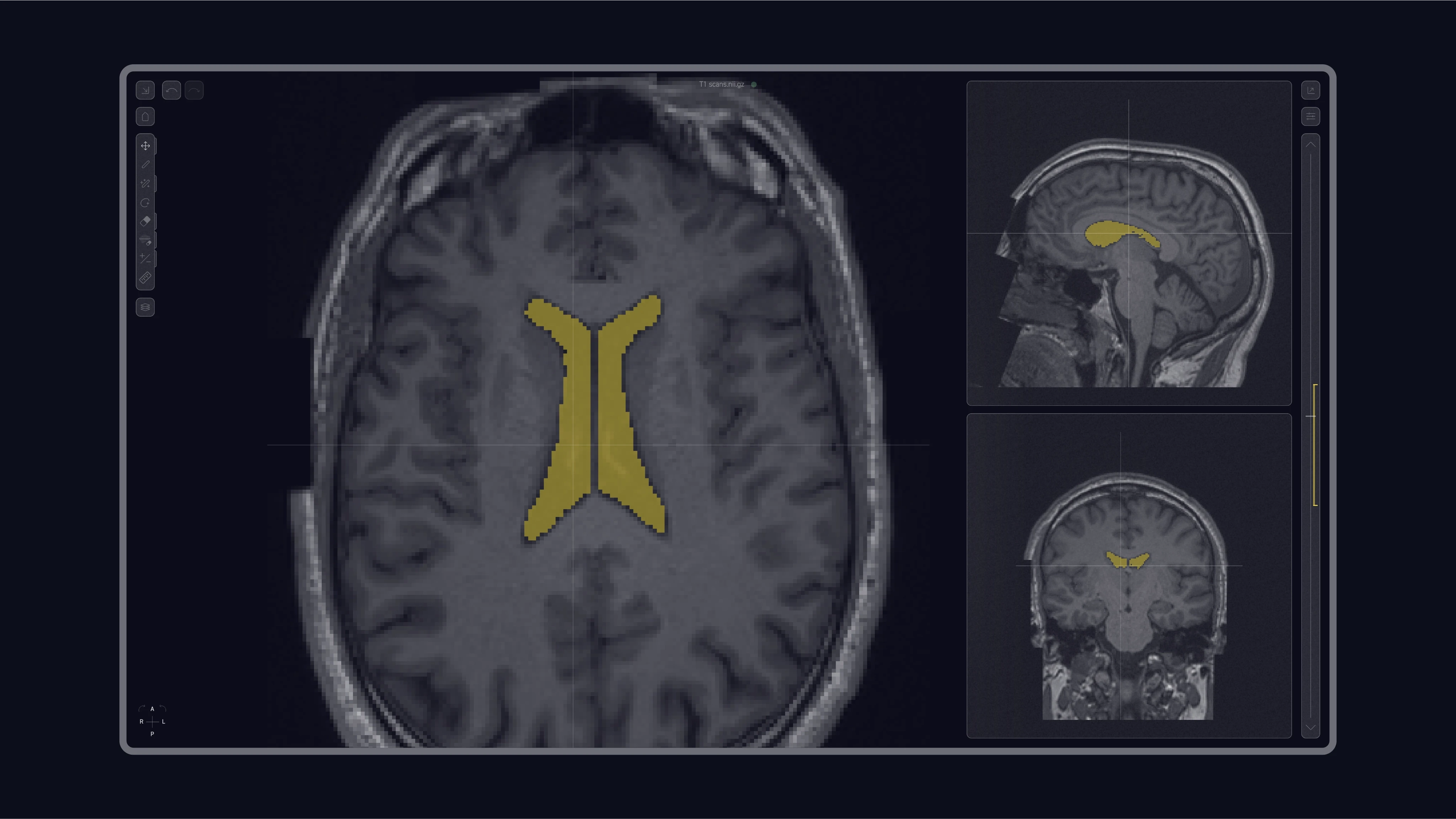
Technically demanding rendering requirements. Displaying and interacting with volumetric MRI and CT data in the way Visian allows required implementing WebGL-based real-time volumetric ray tracing from the ground up. Visian’s core required deep technical work at the intersection of computer graphics, web engineering, and medical imaging formats.
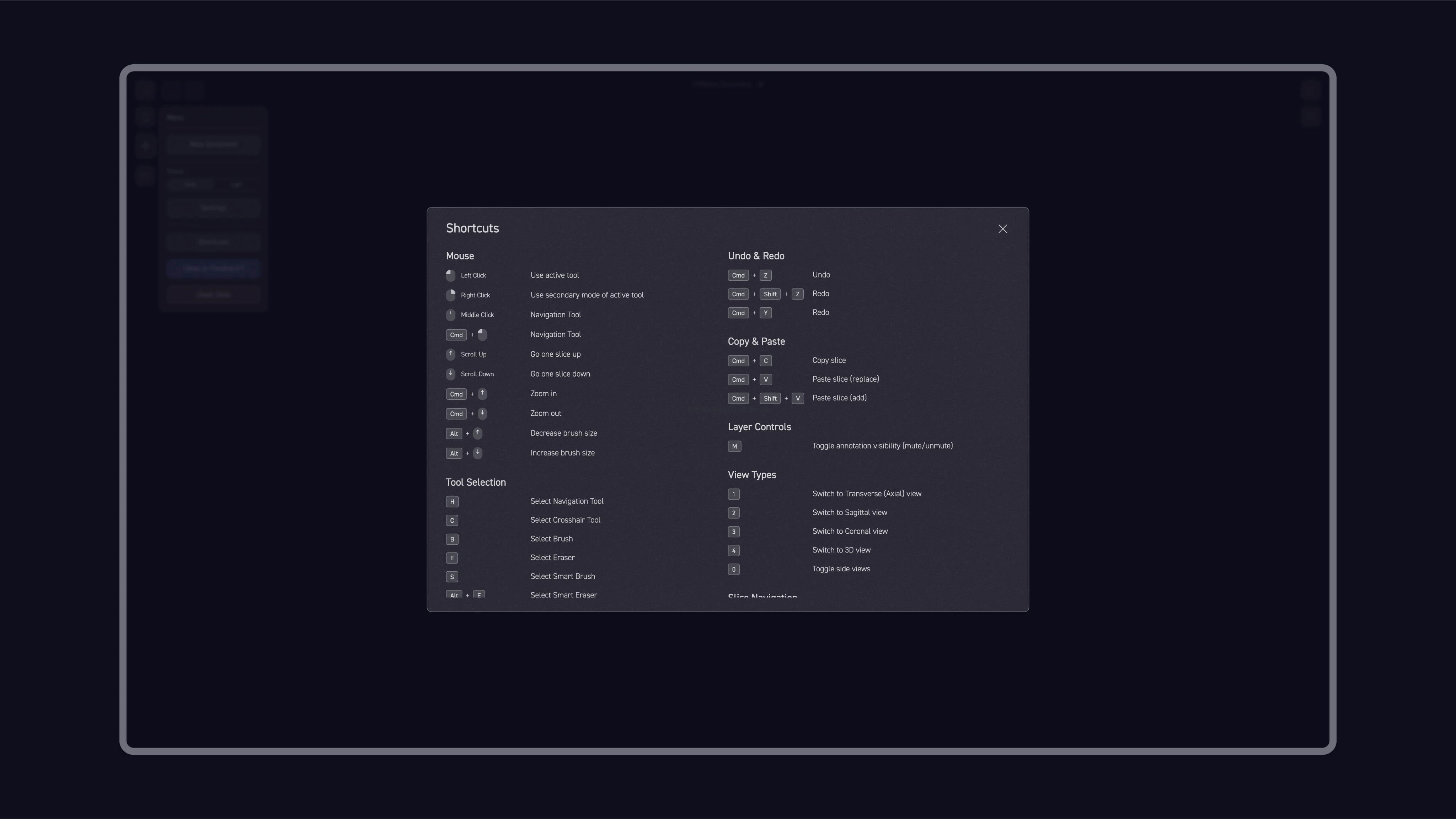
Research-grade usability. The users were medical researchers and radiologists, experts in their clinical domain but not necessarily in software tooling. The interface had to be intuitive enough to reduce friction for non-technical users while powerful enough to satisfy the precision demands of high-quality annotation work.
Longevity by design. The project originated as a Bachelor's project at the Hasso Plattner Institute, a context that normally produces prototypes. The team built it to a standard that allowed it to continue well beyond its academic origins, attract institutional research partners, and eventually be taken over and maintained by another organisation.
Multi-institutional context. Research partnerships with the Max Delbrück Center for Molecular Medicine, Charité Berlin, and Mount Sinai in New York City meant that the tool had to meet the standards of multiple independent research institutions across different healthcare systems and regulatory contexts.
What we did.
We took on project lead, design, and software engineering responsibilities for Visian, owning the product from concept through to a tool in active use at major research institutions.
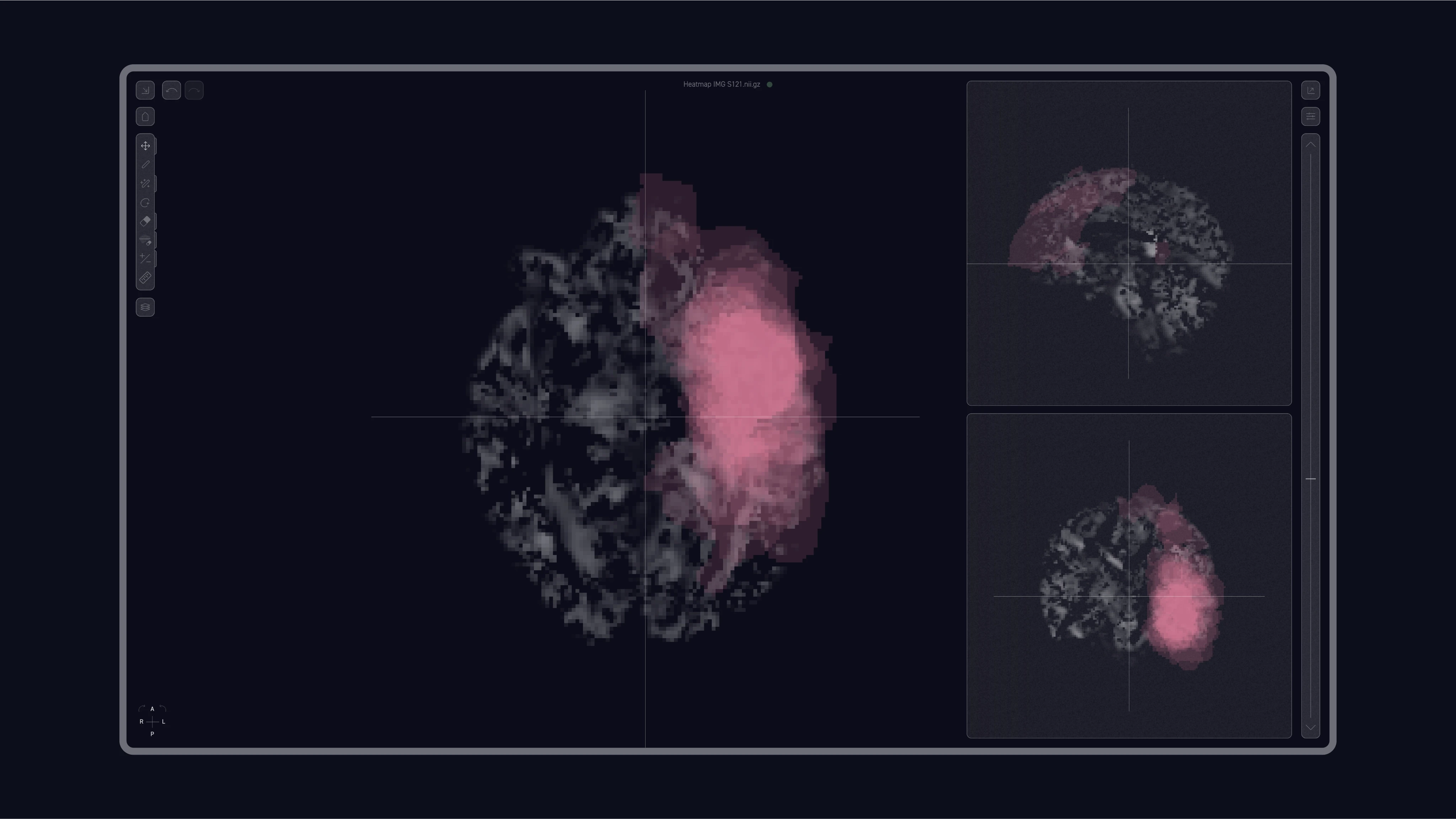
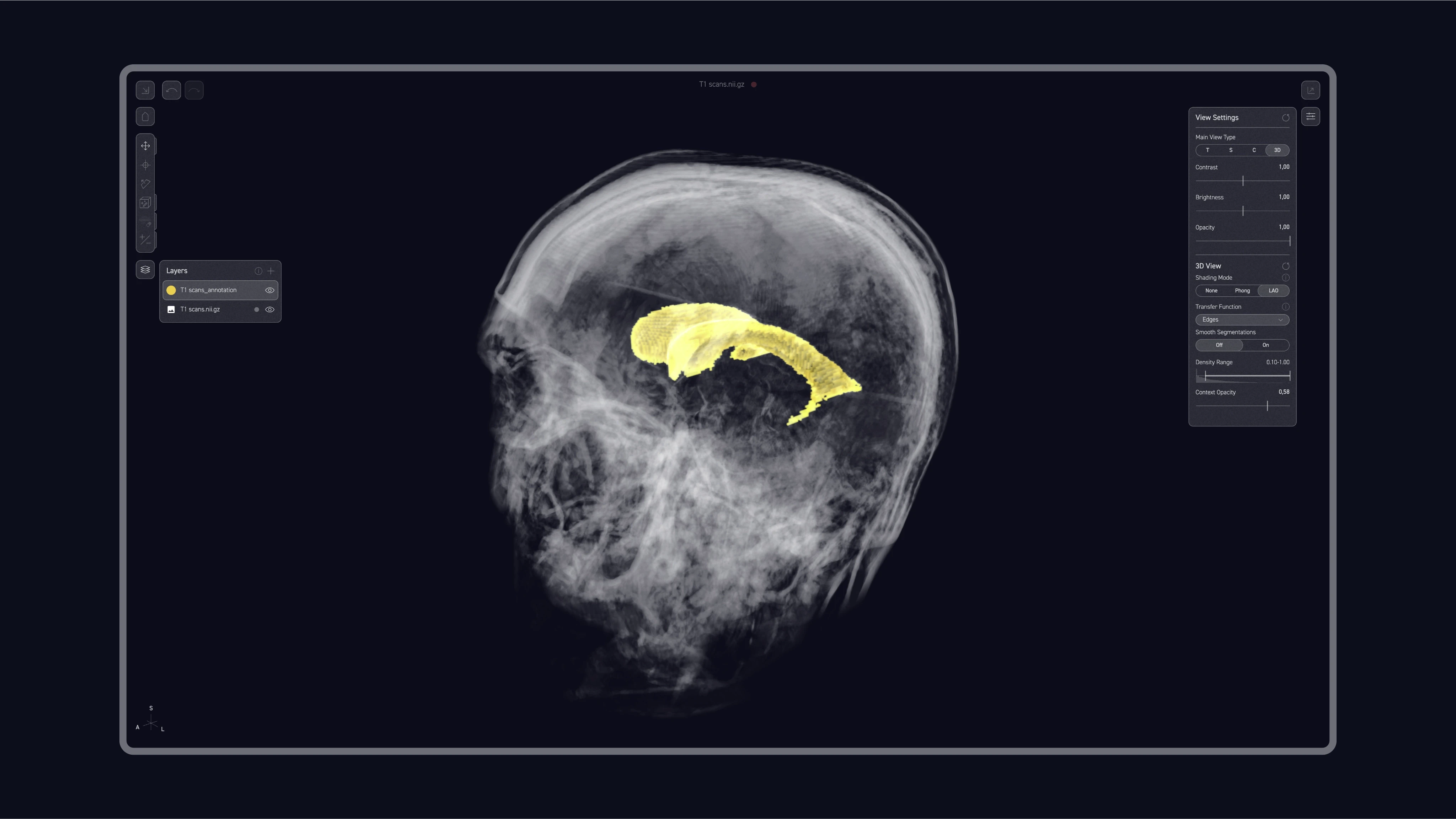
Technical architecture and implementation. We led the full technical architecture of the platform and implemented its most demanding components. The centrepiece was Visian's custom-built rendering engine that allowed researchers to visualise and interact with volumetric scan data in the browser.
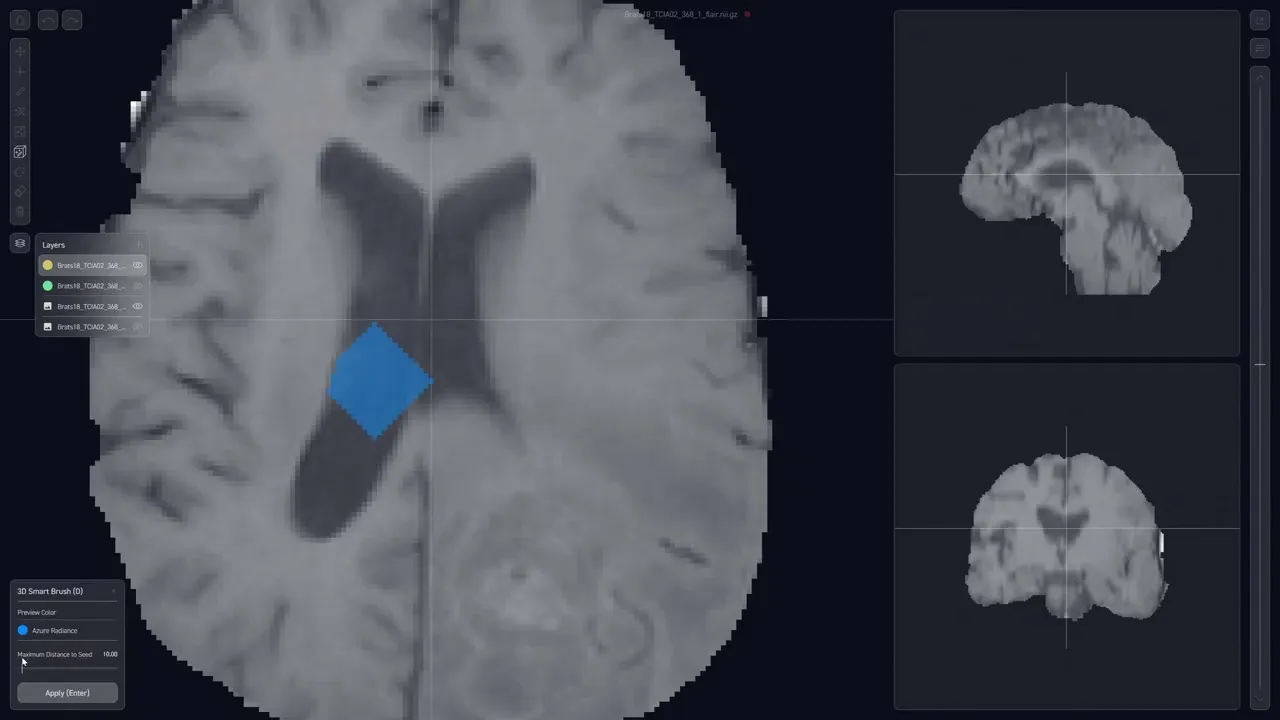
A key technical contribution from this work was published at Web3D '21, the International Conference on 3D Web Technology: a GPU-based volumetric region growing approach for semi-automatic brain tumour segmentation on MRI, built and validated inside Visian. The system produces a complete brain tumour segmentation within milliseconds on consumer hardware, using adaptive resolution scaling and progressive asynchronous shading to maintain a stable 60 Hz refresh rate. The paper also introduced multidimensional transfer functions for ray tracing, enabling researchers to visually assess segmentation quality in real time.
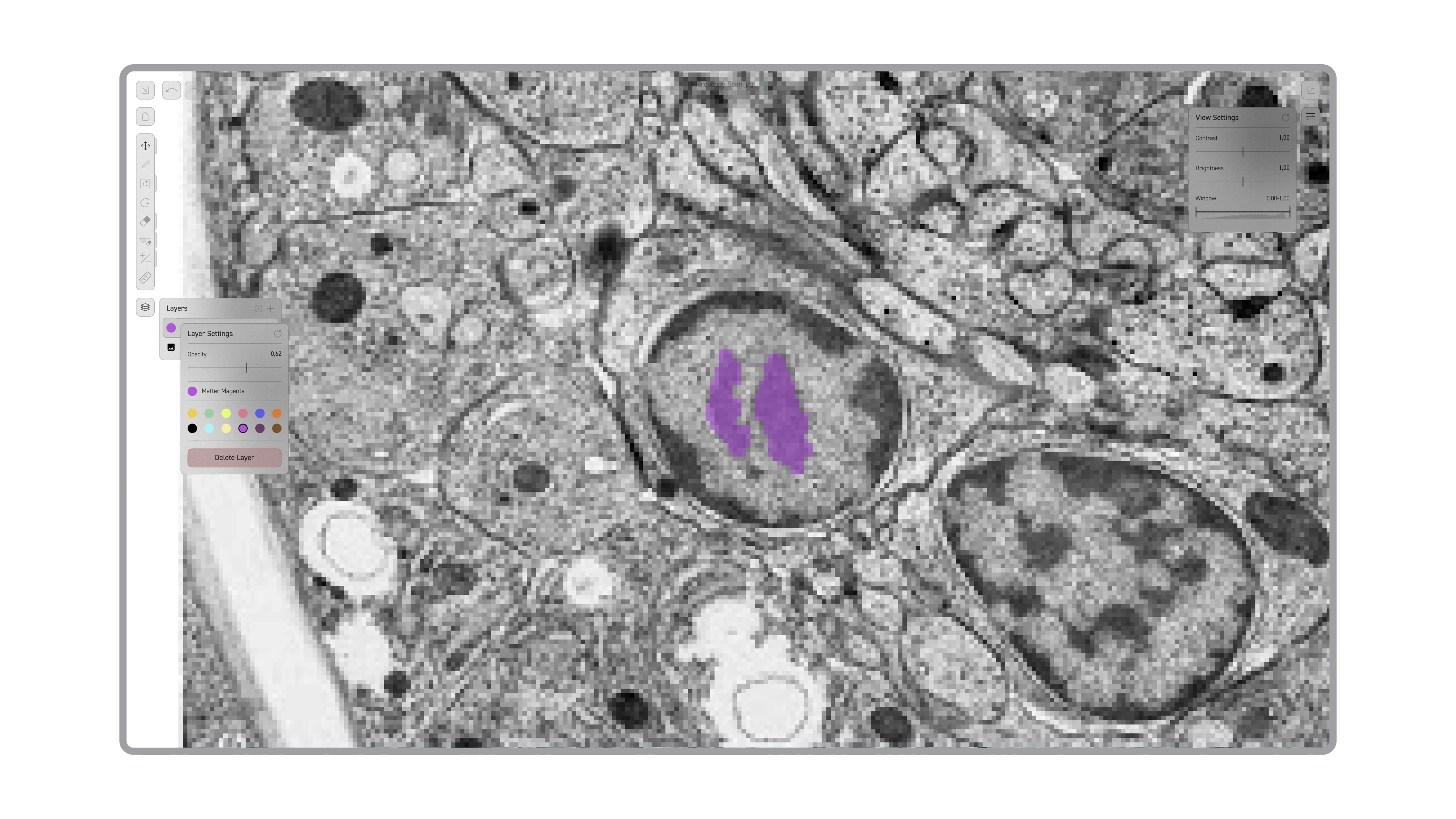
Smart brush tooling. Beyond rendering, Visian's annotation capabilities were designed around "smart brushes", semi-automated tools that accelerated the manual painting process by intelligently following structural boundaries, reducing the time and cognitive load of annotation without sacrificing precision.
Identity and user experience. We created Visian's identity and designed the full user experience, building an interface that made complex volumetric data navigable for researchers who needed to work quickly and accurately across large datasets.
Outcomes.
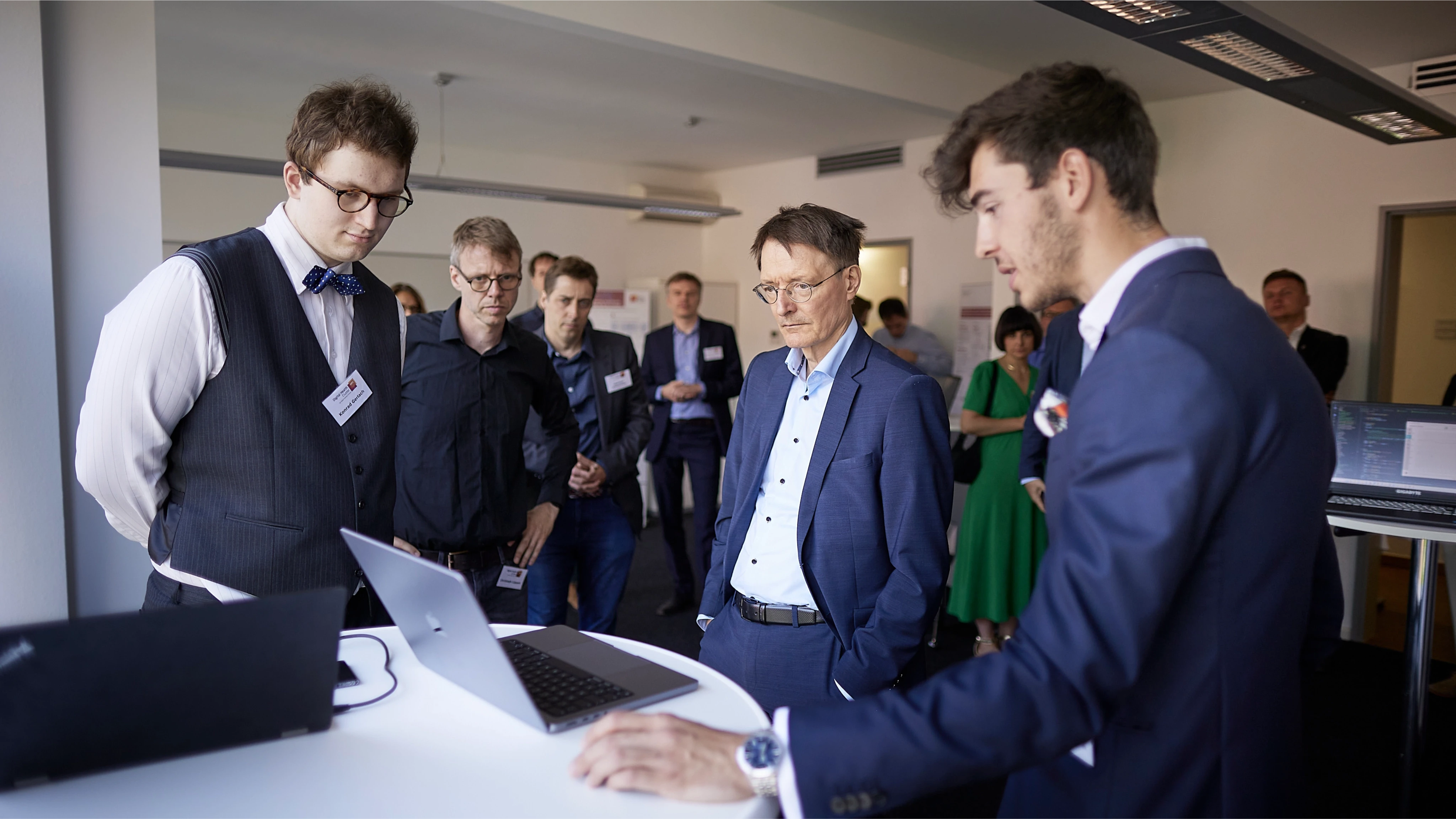
Visian moved from a university project to an active research tool used at the Max Delbrück Center for Molecular Medicine, Charité Berlin, and Mount Sinai in New York City, three of the most respected medical research institutions in Europe and North America. It was also adopted by the AI4Health Focus Group of the World Health Organization.
A selection of the technical work produced inside Visian was published at the International Conference on 3D Web Technology.
The product was built to a standard that outlasted its academic origins entirely: development was subsequently taken on by Data4Life, where Visian continues to support medical researchers working with volumetric imaging data.
Lessons.
Research tools are product problems. The gap between a functional prototype and a tool that researchers actually adopt and rely on is almost entirely a design and engineering problem, not a scientific one. Visian succeeded because it was treated as a product from the beginning, with the same attention to usability, performance, and longevity that a commercial product would receive.
Technical ambition enables product differentiation. The real-time volumetric ray tracing, integrated with Visian’s smart brushes, was a technical decision that made the interface qualitatively different from anything else available. In complex tool design, the deepest technical choices often determine the ceiling of what the product can become.
Academic origins don't constrain commercial quality. Visian originated inside a university programme and ended up in use at a WHO focus group and Mount Sinai. That trajectory required deliberate decisions at every stage about the standard of work to hold, decisions that aren't automatic in an academic context and require the discipline of a product mindset applied to research infrastructure.