Film Production.
Film is how we tell the stories that explain why any of this matters.
It puts a face and a voice to what otherwise stays abstract.
We make films the same way we build products: with operator-level seriousness, embedded presence, and a long enough relationship with the subject to earn the access that makes the difference between a film people recognise and one they merely watch. The production team is built to work in conditions that rule most crews out, including active shoots in remote Sápmi at −30°C.
Selected Work.
Cula Carbon Stories.
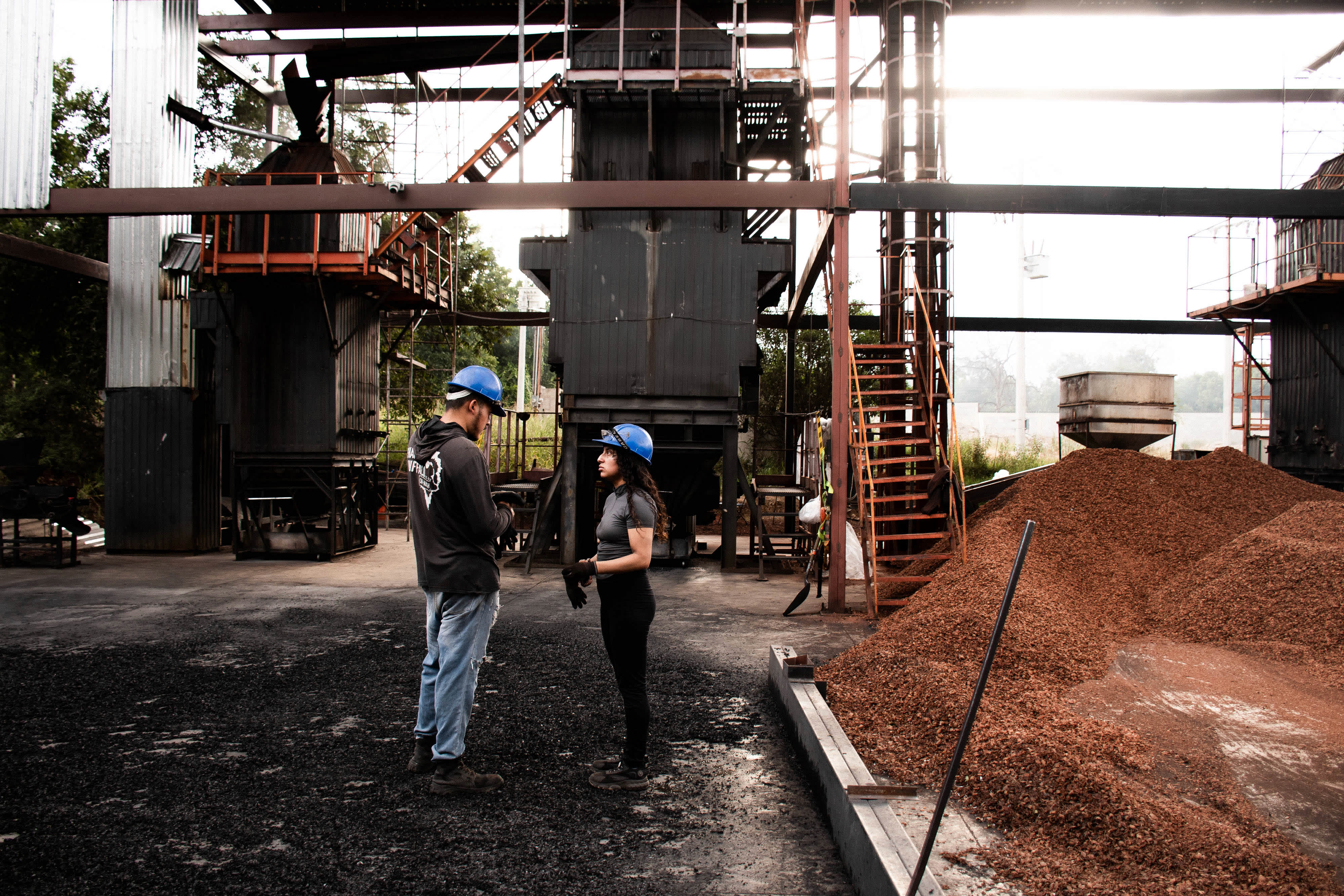
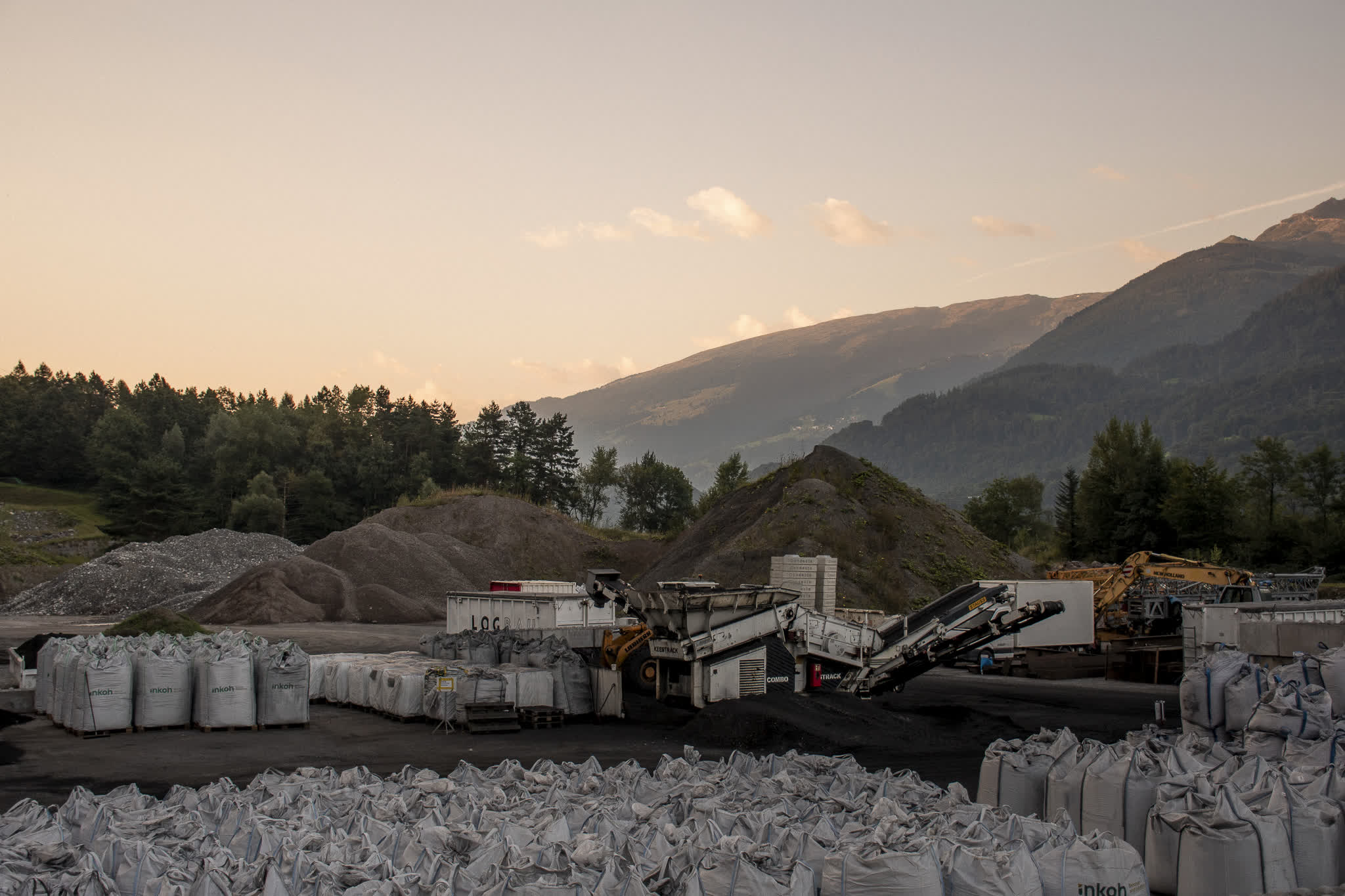
A biochar facility in industrial Canada. A family operation in rural Mexico. A multi-site producer in Switzerland. Three films, each three minutes, each following the people running a Cula partner facility, operators, plant managers, the people Cula most needed to reach.
The brief was to go beyond explaining what Cula does and show what it really looks like to work with Cula on the ground. That distinction determined everything: the choice of subject, the shooting approach, the structure of each film, the decision to let the operators carry the argument in their own words.
The films are the strongest sales material Cula has. Not because they position the company, but because they let Cula's partners do that instead.
Reindeer
A feature documentary on land, climate, and the question of what is enough.
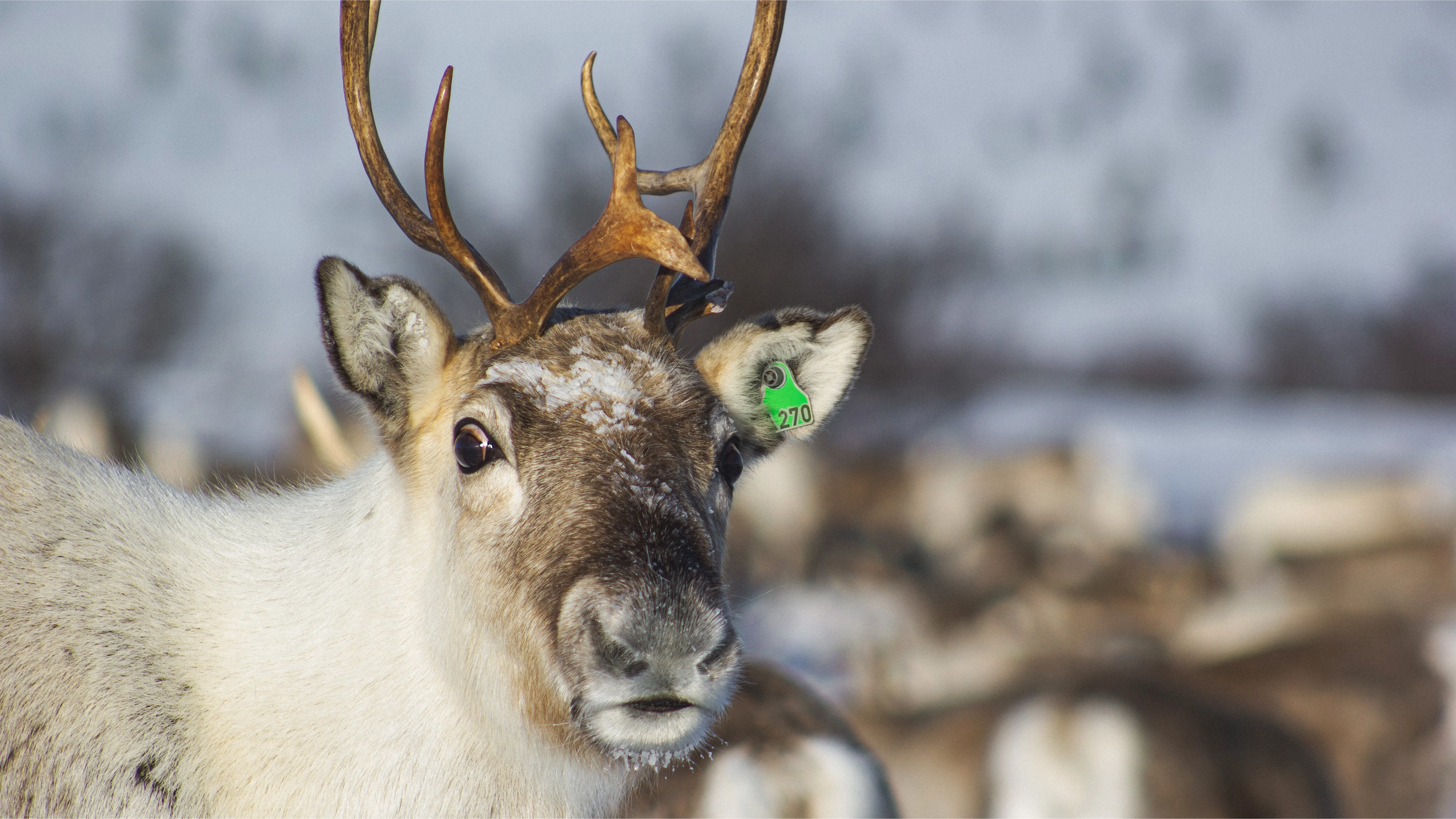
We are making this film because we believe it matters, not because a client asked us to. That's the only reason we'd commit to four years of production across the Norwegian, Swedish, and Finnish Arctic.
The subject is the intersection of climate, geopolitics, and what the Scandinavian press has started calling green colonialism, seen through the people who live it. Reindeer herders, land managers, and communities whose way of life is being reshaped by forces they did not create and cannot control. We came to Sápmi as outsiders. The work of the film has been earning the right to be there.
Expected completion: 2027. Seeking distribution partners and local filmmakers.
How we work in film.
We make films about real people doing real work in difficult conditions, where the truth of the situation is the argument, not a message constructed around it.
This is only possible with prolonged, embedded presence. The Carbon Stories production was grounded in months of relationship-building with Cula's partners before the cameras arrived. Reindeer has been in development for over a year before the first shot was recorded. That investment of time is what earns the footage what no amount of scripted production could produce.
The same principles apply whether the film is three minutes or ninety. Respect for the subject. Patience for the moment. Honesty about our own position in the story. And enough technical rigour in the filmmaking itself that the work can stand in any context.
When film work makes sense for organisations.
There's a specific situation where documentary film does something no other medium can: when the people you most need to reach have been oversold to.
Pyrolysis plant operators considering a new MRV platform don't trust claims. They trust evidence they recognise from their own experience: the connectivity problems, the production pressure, the compliance demands that make every working day harder than it looks from the outside. A film that shows those realities being taken seriously is more persuasive than any feature list.
The same is true in climate advocacy, in healthcare, in any domain where the audience has been promised things that weren't delivered. The moment buyers or operators see themselves on screen, not aspirational versions of themselves, but the actual conditions of their work, the conversation changes.
We take this work on when the subject is worth the investment, the organisation is willing to let the film find its own argument, and the people in front of the camera are given enough trust to speak honestly.
Lessons.
The film's argument and the organisation's argument are only the same if you get close enough. The Carbon Stories films work for Cula because they're honest about the operational reality Cula's partners live in. That honesty required proximity, not just to the facilities but to the people running them, over enough time that they could speak without performing for the camera. Directed messaging produces the opposite effect: audiences in difficult domains can feel the gap between what someone is saying and what's actually true.
Embedded production is the only kind that gets the footage. You cannot get a plant manager in rural Mexico to speak candidly about the real pressures of running a biochar operation in a one-day shoot. The access that makes the Carbon Stories films useful to Cula came from a year of relationship-building before production started. That preparation is invisible in the final edit. Its absence would have been visible.
The edit is where the argument is made. Footage is material. What the film says is determined in the cutting room, by what is chosen, what is left out, and in what order things land. A film that makes an operator recognise their own reality requires structural intelligence as much as production quality. We do not separate the thinking from the making.
Mission-driven film requires honesty about your position in the story. Reindeer is a film made by two Central Europeans about communities in the far north whose experience of climate and land loss is shaped in part by consumption patterns in places like Germany. We hold that contradiction openly. The film would be dishonest if we didn't. Any filmmaker going into a community they didn't grow up in faces the same question, and it should affect choices made across every stage of production.
We make films about work worth witnessing.
We work on a small number of film projects each year, and we choose them on the strength of the subject. If you have something that needs to be seen rather than just explained, we'd like to hear about it.